
Sidewalk Trip Hazards: Repair Options That Actually Work
A raised sidewalk edge is easy to ignore right up until someone catches a toe on it. Then it becomes a skinned knee, a broken wrist, or a liability question, and the repair that would have been routine becomes urgent.
Sidewalks fail slowly and predictably, which is good news, because it means the fixes are predictable too. Here is what causes sidewalk damage around Warrenton, which repairs actually work, and how to decide between fixing a panel and replacing a stretch.
When does a sidewalk need to be repaired?
A sidewalk needs attention when any edge sits about a half inch higher than its neighbor, when cracks are wide enough to catch a heel, or when panels have settled so water ponds on the walking surface. The half inch offset is the common threshold where a joint officially becomes a trip hazard.
Smaller flaws are cosmetic and can wait for a convenient season. The trip hazards should not wait, both because someone can get hurt and because the underlying cause, moving soil or a lifting root, only pushes the panels further apart with time.
Why sidewalk panels heave and settle
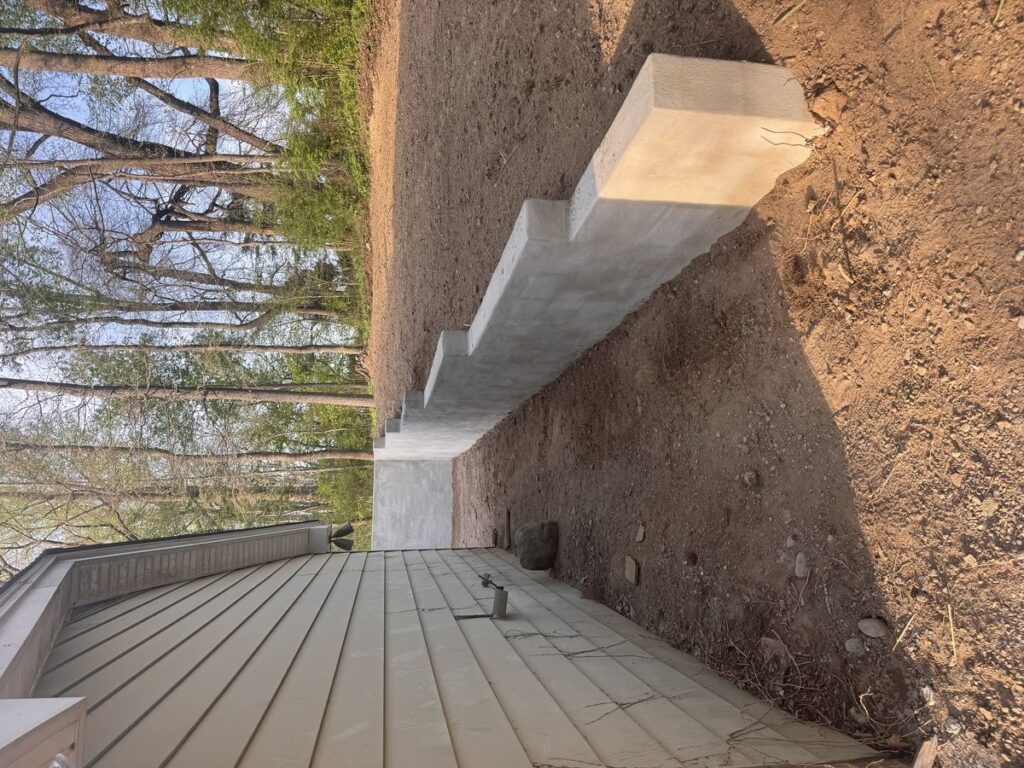
Tree roots are the classic culprit, lifting panels from below as they thicken, and the prettiest streets have the biggest offenders. Water is the quieter one. Northern Virginia clay swells when soaked and shrinks when dry, and sidewalk panels ride that elevator unevenly. Add a downspout discharging beside the walk, or a base that was thin to begin with, and individual panels start living independent lives.
Winter accelerates all of it. Water gets under a panel, freezes, and lifts it, and the cycle repeats until the panel no longer sits where it started. That is why a sidewalk that survived a wet fall and a cold winter often looks noticeably worse by spring, and why fall is the smart season to deal with hazards you already know about.
Who is responsible for the sidewalk
It depends on where you live, and it is worth finding out before there is an incident. In many Virginia towns and HOA neighborhoods, maintenance of the walk crossing your frontage lands partly or fully on the homeowner, while some jurisdictions maintain public walks themselves. HOAs around Warrenton, Gainesville, and Haymarket often have their own standards, and a letter about your sidewalk is not rare.
The liability logic is simple even where ownership is fuzzy. A known trip hazard on your property is a risk you are carrying, and documenting the problem and scheduling the fix is cheap insurance. If a neighbor’s maple is the cause, that conversation is far easier to have before anyone falls than after.
Repair options from smallest to biggest
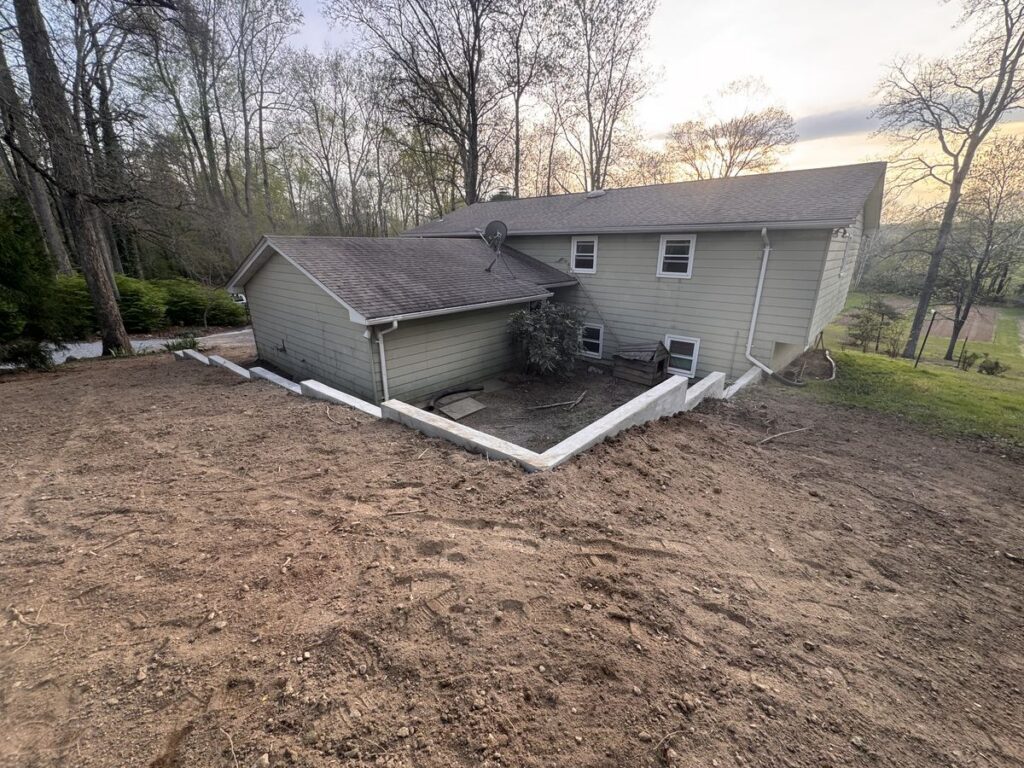
For a raised edge on otherwise sound concrete, grinding the high side into a smooth bevel is fast and inexpensive, and done cleanly it buys years. For settled panels that are still intact, lifting is often possible. Material gets pumped beneath the slab to float it back to grade, which costs well under replacement and keeps the original concrete. Most residential lifting jobs wrap up in a morning without closing the walk for days.
Replacement enters when panels are cracked through, crumbling, or moved too far to lift, and it usually happens panel by panel rather than as a whole walk. A proper replacement fixes the cause at the same time, compacting the base, rerouting water, and in root cases working out an approach that respects the tree or removes the conflict. That is the difference between repairing the symptom and retiring the problem.
Timing and prevention
Fall is the practical deadline for trip hazard work, because winter snow and ice hide raised edges exactly when footing is worst, and frozen ground pauses concrete work until spring. A hazard you can see in October is one you want gone before the first storm buries it.
Prevention is mostly water management. Keep downspouts discharging away from the walk, seal sidewalk surfaces on the same two to three year cycle as your other concrete, and keep salt off new panels through their first winter. When planting trees near a walk, species and placement decide the future, and a root barrier installed at planting time costs a fraction of the panels it will eventually save. A quick walk of the property each spring and fall, checking joints with the toe of your shoe, catches new movement while it is still a grinding job.
Bottom Line
Half inch offsets, heel catching cracks, and ponding water are a sidewalk asking for help, and the fixes run from a quick grind to full panel replacement depending on what moved. Handle known hazards before winter hides them. MG Minor Construction repairs and replaces sidewalks and walkways across Warrenton and Northern Virginia, and we fix the base and drainage problems that caused the damage in the first place. If a section of your walk has become a trip hazard, reach out and we will recommend the smallest fix that actually solves it.
Related reading: Concrete Cracks: Which Are Normal and Which Are Trouble, Concrete vs Asphalt Driveways in Northern Virginia


